
A new investment and a productivity leap
A new investment and a productivity leap
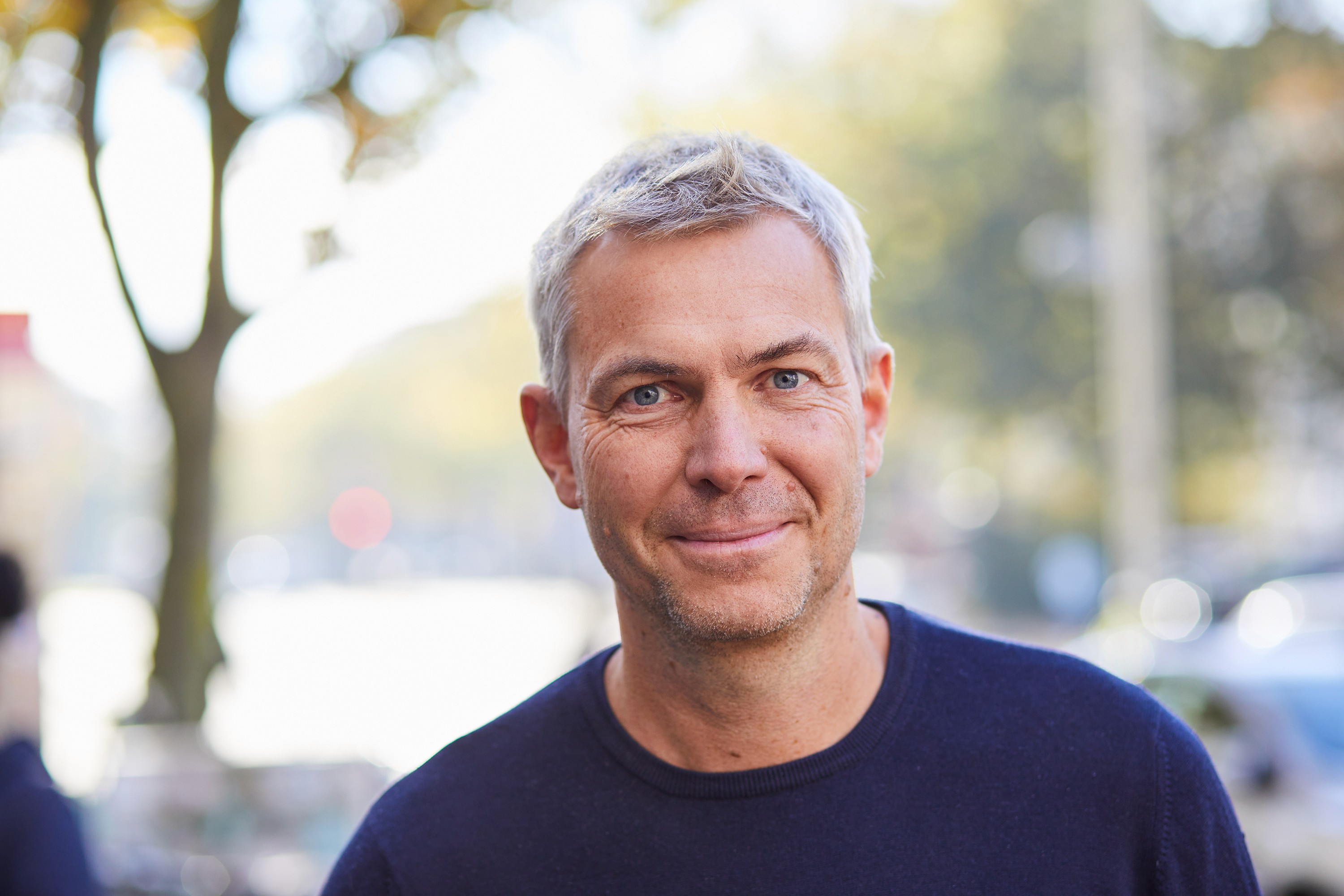
Till Wahnbaeck
Founder & CEO
READ TO MAKE AN IMPACT?
Find out how to support our mission by donating, partnering, or spreading the word.
Dear Impacc-Friends,
A few weeks ago I was sitting in Nairobi with our team, and we ran two real investment due diligences back to back — not as a theoretical exercise, but as proper test cases for a new AI-assisted process we’ve been building. By the end of the week, I was roughly 80% certain we’d invest in both.
That’s not how it usually goes. And it says something about where Impacc is heading — as an investment organisation, and as a team.
This newsletter is about a founder in Ethiopia I’ve been watching for years, a four-fold increase in our productivity, and the quiet but meaningful transformation happening inside our own walls. Let me start with the news.
Kubik: When a Pivot Makes Everything Click
We’ve just signed our investment in Kubik, Inc., an Ethiopian waste-to-energy company founded by Kidus Asfaw, and I want to tell you a little about why we did it.
We’ve been following Kidus for a few years from a distance, watching his progress, and what he’s done is a good example of a founder who understood the difference between falling in love with a solution and falling in love with a problem.
Kubik started as a plastic waste-to-building-materials company — similar territory to Gjenge Makers, which is already in our portfolio in Kenya. But the economics didn’t stack up well enough to scale, so Kidus changed direction. Today, Kubik still collects plastic waste, but instead of turning it into bricks, they process it as a substitute for coal in cement kilns. Cement kilns run extremely hot, and there’s currently no renewable energy source capable of firing them — coal is the default, and it’s bad for the air and for the climate. Plastic waste processed properly burns cleaner than coal and produces comparable heat, which makes it meaningfully better than the status quo even if it’s far from a perfect solution.
From everything we’ve seen, Kidus is commercially sharp and clear-eyed about his numbers. He needs capital to scale the pivot, and we’re backing him. Ethiopia is one of the most challenging environments we operate in and one of the most underserved by capital, which is exactly why we want to be there.
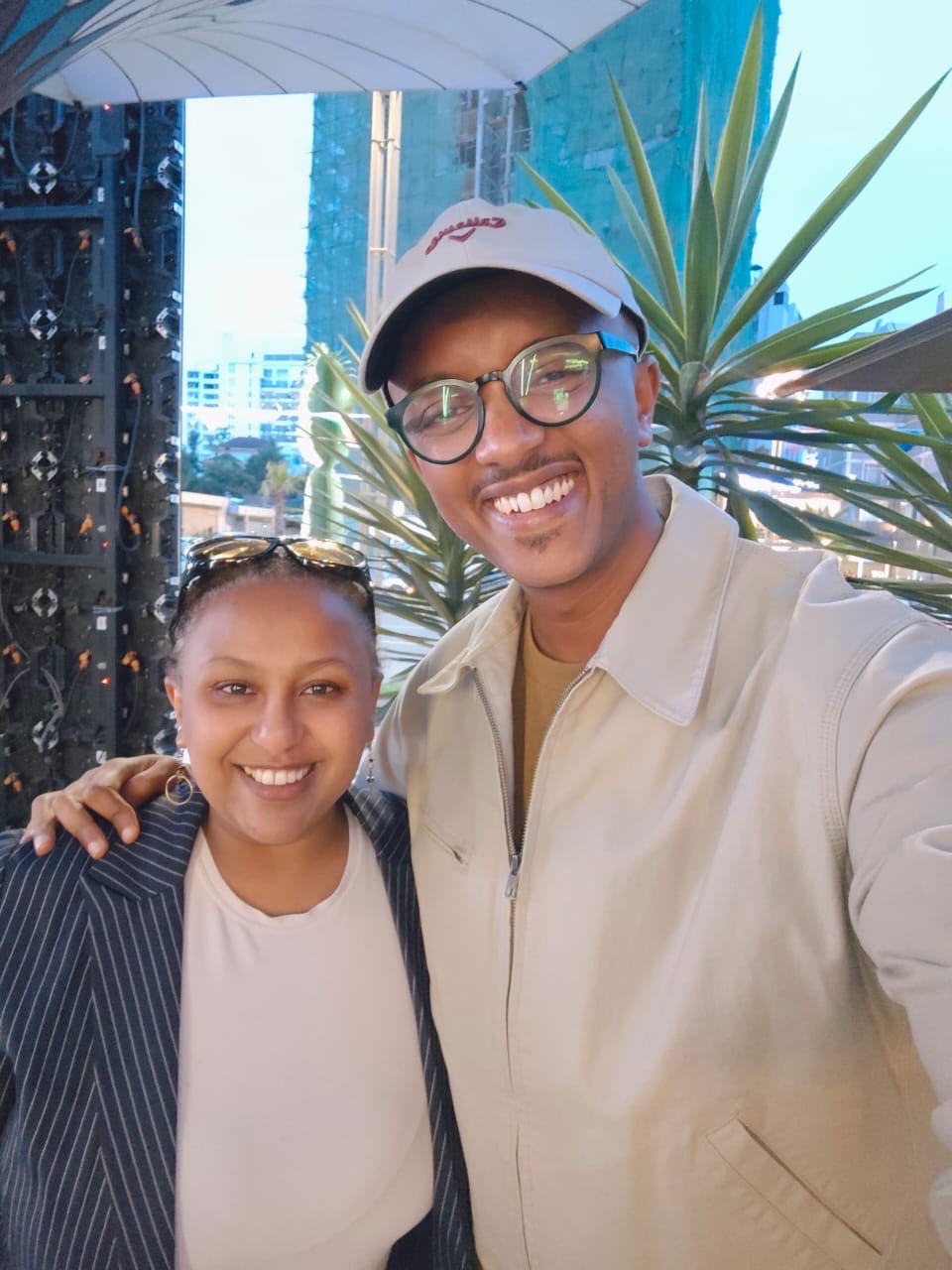
Kubik CEO Kidus Asfaw with our Venture Builder Bilen Dinke at deal signing
Our Annual Accounts 2025: Twice as Big, Half as Heavy
Our auditors have just signed off on our 2025 annual financial statements, and seeing the numbers in black and white made me quite proud.
Compared to the previous year, we doubled our balance sheet total to around €2 million, and doubled our financial assets to around €1 million. At the same time, we cut our salary costs in half — by streamlining our operations, while actually paying the remaining team members slightly more than before. General admin expenditure fell by 40%. If my maths is right, that works out to roughly a fourfold increase in productivity: twice the results at half the cost.
In fairness, costs are always higher in the early years, and I can’t promise we’ll pull off a leap like this on a regular basis. But it does show that you can run a nonprofit with the same kind of operational discipline you’d expect from a for-profit. The difference is that at Impacc, the gains don’t become dividends for shareholders — they become more investments in African founders, creating more jobs. That’s how it should be.

The Impacc team: small but mighty
The Organisation That Creates the Most Jobs with the Fewest People of Its Own
I want to talk about something that doesn’t usually make it into a newsletter like this, because it’s internal and unglamorous. But I think it matters.
Kristian Munsche joined us from the VC and tech world half a year ago, and the first thing he did was not touch a single tool. He sat down with every person on the team, one by one, and asked them where their time actually goes — what the friction points are, what the repetitive work is, what’s getting in the way of the things they’re actually here to do. Only after that did he start thinking about what to automate and how.
The results are real. We’ve already saved the equivalent of roughly half a secretarial role through automating expense reporting and financial uploads. In Nairobi recently, we used AI-assisted analysis to run two investment due diligences in parallel — something that would previously have taken weeks of sequential work. And we’re building towards a deal flow system that can help us find founders we’d otherwise never reach, because in Africa the best entrepreneurs often aren’t the ones who show up in your inbox with a polished pitch deck.
The underlying goal is simple, even if it sounds a bit odd coming from a nonprofit: we want to be the organisation that creates the most jobs in Africa with the fewest people of its own. Every hour saved on administration is an hour that goes back to the founders we’re here to support. Kristian’s rule from day one was people and process before technology — fix the process first, then automate it. Most organisations get that backwards. We’re trying not to.
As always: thank you for being part of this. What we’re building — the portfolio, the model, the team — runs on your trust and your capital. We don’t take that lightly.
All the best from all of us at Impacc,
Till
Keep Reading


